

Most people don’t design their days.
They inherit them.
From habits.
From obligations.
From other people’s expectations.
And then they wonder why they feel flat, stretched, or quietly dissatisfied.
Here’s the uncomfortable truth:
If your days consistently don’t feel good to live, it may not be bad luck — it may be a design problem.
The Myth of the “Perfect Day”
When people hear this idea, they often go straight to fantasy.
A slow morning.
No responsibilities.
Sunshine.
Freedom.
Lovely. Completely unrealistic for most.
A good day is not a perfect day.
A good day is one that:
- has enough structure to support you
- has enough space to breathe
- and reflects what actually matters to you
Not what looks good on Instagram.
Not what someone else told you success looks like.

Start Here: How Do You Want to Feel?
Before you plan anything, ask a better question:
“How do I want my day to feel?”
Not what you want to achieve.
Not what needs to get done.
How you want to feel while living it.
Calm?
Capable?
Clear?
Grounded?
Light?
Most people skip this step — and end up building days that look productive but feel awful.
If you’re not used to thinking this way, setting a simple daily intention can help anchor the feeling you want to carry. This guide on the power of setting intentions and how to set mindful ones offers a practical place to start.
The Reality Check (This Matters More Than You Think)
It is very hard to design a good day on top of a life that is chronically overloaded.
If your day feels constantly rushed, heavy, or chaotic…
you don’t need a better planner.
You need to remove something.
This is where people resist.
Because removing things means:
- disappointing someone
- delaying something
- or admitting you’ve taken on too much
But let’s be honest —
a packed day isn’t a successful day. It’s just a crowded one.
The Three Anchors of a Good Day
Forget complicated routines.
If you get these three right, your day will already feel better.
1. A Grounded Start
Not rushed. Not reactive.
Even 10–15 minutes makes a difference:
- sit outside with a coffee
- step into the morning air
- take a few slow breaths before checking your phone
You’re not trying to be impressive.
You’re trying to arrive in your own day.
If this is something you’ve never really established, a simple morning ritual can make a noticeable difference. I’ve shared a practical approach in The Power of a Simple Morning Ritual for a Happier Day.

2. A Clear Middle
This is where most days fall apart.
Too many tasks.
No priorities.
Constant switching.
Instead, choose:
- 1–3 things that actually matter
- and do them properly
Everything else is secondary.
If everything is important, nothing is.
3. A Gentle End
Most people crash into the evening.
TV. Scrolling. Exhaustion.
No closure. No reflection.
A better approach:
- acknowledge what you did (even if it wasn’t perfect)
- mentally “close” the day
- do something that signals you’re winding down
This is how you stop one messy day from bleeding into the next.
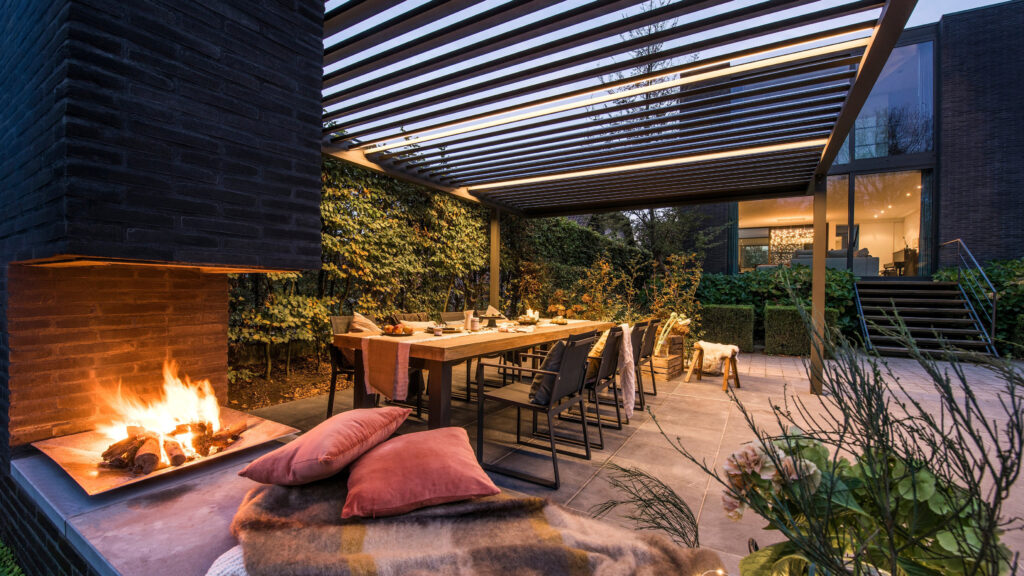
Lately, living on the road has made this even clearer for me. When I open the van door in the morning and step straight into fresh air and light, I’m reminded how little it actually takes to change the tone of a day.
Tiny Adjustments That Change Everything
You don’t need a full life overhaul.
You need small, consistent shifts.
For example:
- opening a door or window first thing in the morning
- eating one meal without distraction
- stepping outside for five minutes between tasks
- finishing work at a defined time (not “whenever”)
These are not impressive habits.
They are effective ones.
If you haven’t already, you might enjoy reading:
Tiny Habits That Change Your Mood (Even On Hard Days)
The Hidden Trap: Living on Autopilot
Here’s the part most people don’t want to hear.
You might already have more control over your day than you think.
But autopilot is comfortable.
It keeps you:
- repeating the same patterns
- saying yes when you mean no
- filling your time without questioning it
Designing your day requires something simple but uncomfortable:
Paying attention.
A Simple Way to Start (Today, Not Tomorrow)
Don’t redesign your whole life.
Just do this:
Tonight, ask yourself:
- What drained me today?
- What gave me even a small lift?
Then tomorrow:
- remove or reduce one draining thing
- repeat or protect one good thing
That’s it.
Do that consistently, and your days will start to shift.

Final Thought
A good life is not built in big, dramatic moments.
It’s built in ordinary days that feel quietly right.
Not perfect.
Not effortless.
But livable.
And if your days feel better…
your life will too.
If this is an area you’re working on, you might also find it helpful to explore how small daily choices shape your overall sense of happiness — something I write about regularly here at Happiness Is a Decision.

Megan Ruffino is a professional life coach, Master NLP Practitioner and trainer who writes about happiness, self-coaching and personal growth. She helps people understand themselves more clearly, make conscious choices and take practical steps toward lives that feel happier and more empowered.