

You wake up tired.
Not just physically—though that’s part of it—but a heavier kind of tired.
The kind where even simple things feel like effort.
Where the day stretches out in front of you and you already feel behind.
Where you think about what you should do… and feel nothing.
No motivation. No spark. No real interest.
So you start asking yourself:
Why am I so tired all the time?
Why can’t I get motivated?
What’s wrong with me?
And if this has been going on for a while, it gets louder:
Why can’t I just feel normal again?
But here’s what most people don’t realise:
This usually isn’t a motivation problem.
And it’s not a personality flaw.
It’s an energy problem.

Energy Comes First
We tend to think motivation should come first.
That if we could just “get ourselves together,” we’d start doing the things we know would help.
But it actually works the other way around.
When your energy is low:
- everything feels harder than it should
- small tasks feel bigger than they are
- decisions feel draining
- your mood drops with it
So you do less.
And because you do less, your energy drops even further.
That’s the loop.
Not laziness. Not lack of discipline.
Just low energy feeding low motivation.
Why It Starts to Feel Personal
When this goes on for a while, it stops feeling like a temporary dip.
You start making it mean something about you.
You tell yourself:
- “I’m so unmotivated lately”
- “I should be able to push through this”
- “Other people manage, why can’t I?”
But this is where people get it wrong.
You’re trying to solve an energy problem with pressure.
And pressure doesn’t create energy.
It drains what little you have left.
The Basics That Actually Matter
Before you go looking for deeper answers, check the foundations.
Not because they’re exciting.
Because they work.
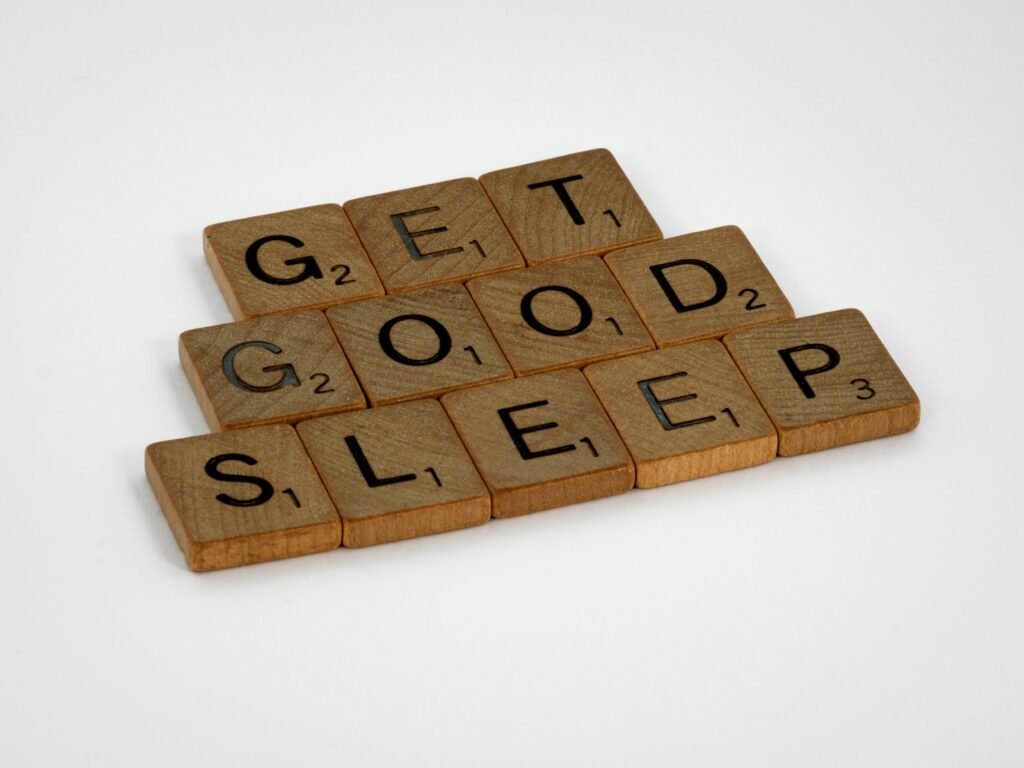
Sleep affects everything—mood, patience, focus, motivation.
Movement shifts your state faster than most mindset work.
Food stabilises your energy or destabilises it.
Your environment either supports you or quietly drains you.
These aren’t small things. They’re the base layer. And when they’re off, everything built on top of them feels harder.
You Don’t Wait for Energy
This is where most people get stuck.
They wait until they feel better to start taking care of themselves.
“I’ll go for a walk when I feel more motivated.”
“I’ll get back on track when things settle down.”
But those actions are what create the energy.
So the starting point isn’t how you feel. It’s what you do next.
One small action. Then another.
That’s how the cycle turns.
New research tracking over 350 adults using wearable activity monitors found that replacing even 30 minutes of sitting with light physical activity — like walking or doing household chores — boosted mood and energy the following day.
Neuroscience News The study, from the University of Texas at Arlington in collaboration with Monash University here in Australia, found that light activity showed the strongest link to better next-day feelings, outperforming both moderate exercise and extended sitting. University of Texas at Arlington
You don’t need a gym. You need to sit less.
Try this: Pick one moment today where you’d normally stay seated — a phone call, a lunch break, a TV ad break — and move instead. A 10-minute walk counts.
Read the full study summary at Neuroscience News

The Missing Piece Most People Overlook
Even when your energy is supported, something can still feel off.
You can be sleeping well, eating well, doing the “right” things…
and still feel flat.
This is where meaning comes in.
If your days feel repetitive, disconnected, or pointless, your system notices.
You might be:
- doing work that doesn’t feel meaningful
- stuck in routines that don’t reflect who you are anymore
- constantly taking care of others with nothing that feels like it’s yours
And over time, that creates a different kind of exhaustion.
Not just physical. Not just mental.
A lack of direction.
Humans need a sense that what they’re doing matters—even in small ways.
Without that, motivation doesn’t have much to attach itself to.
This doesn’t mean you need to quit your job or reinvent your life overnight.
But it is worth asking:
- What am I doing regularly that feels meaningful to me?
- Where do I feel engaged, even slightly?
- What have I stopped doing that used to matter to me?
Sometimes motivation doesn’t come back because your energy is low.
And sometimes it doesn’t come back because your life no longer fits.
When It Might Be Something More
It’s also important to say this.
Sometimes, feeling tired and unmotivated all the time isn’t just about energy or lifestyle.
It can be a sign of depression.
When it’s mainly energy-related, things tend to shift when you support your body.
You rest and feel a bit clearer.
You move and your mood lifts slightly.
You eat properly and your thinking steadies.
When it’s something deeper, that shift often doesn’t happen.
The heaviness can feel constant.
Things you used to enjoy may feel flat or pointless.
And motivation doesn’t return, even when you try.
If this has been going on for a few weeks or more, or nothing seems to improve even after you’ve supported your energy…
It’s worth speaking with your GP or a qualified health professional.
Not because something is wrong with you. But because you deserve proper support.

A Simple Place to Start
You don’t need to fix everything.
Pick one small thing:
Go to bed a little earlier tonight.
Take a short walk tomorrow.
Eat something proper.
Clear one small space.
Or, just as important:
Do one thing that feels even slightly meaningful to you.
That’s enough to begin.

Final Thought
If you’ve been wondering why you feel tired and unmotivated all the time…
It’s not a sign that you’re failing.
It’s a sign that something needs attention.
Your energy.
Your environment.
Or the direction your life is moving in.
Start there.